Thu, September 17, 2026

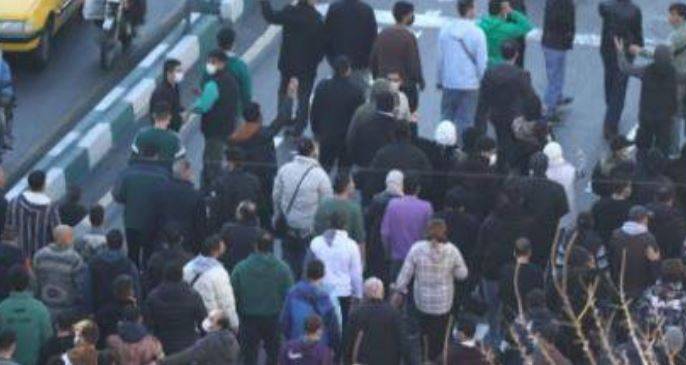
Tehran (Web Desk): Protests in Iran have rapidly spread to over 100 cities, and the situation has become increasingly tense. The death toll has reached 65, including several security personnel, and more than 2,200 people have been arrested.
According to international media reports, protesters have engaged in acts of vandalism, set fires, torn the Iranian flag, toppled statues of former military leader Qassem Soleimani, and torched buildings and vehicles.
In response, the Iranian government has shut down the internet, limiting the flow of information across the country and making it difficult to verify the facts surrounding the protests.
Iran's Supreme Leader Ayatollah Khamenei has vowed not to yield to any pressure and urged the nation to maintain unity. He warned that Iran will not tolerate foreign mercenaries or outside interference, linking the protesters to a US agenda.
In a criticism of the US president, Khamenei stated that President Trump should focus on his own country’s affairs instead of interfering in the internal matters of other nations.
These protests highlight not only the internal political tensions within Iran but also reflect the country's firm stance on international relations and security. The government's harsh actions and the allegations against the protesters of being part of an American agenda have made the situation even more complex and divided.
Neo News | Copyright © 2026