Thu, September 17, 2026

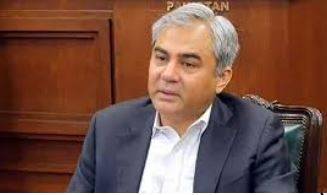
Beijing (Web Desk): Federal Interior Minister Mohsin Naqvi recently visited the Beijing Public Security Passport Bureau, a key institution responsible for overseeing China’s passport issuance and immigration systems. Upon his arrival, Minister Naqvi was received by Director General Sun Yu, who extended a warm welcome to the visiting delegation.
During the visit, Minister Naqvi took a detailed tour of various sections within the Exit-Entry Administration Bureau, which manages all passport and immigration-related services in China. The minister closely observed the procedures involved in the issuance of passports and other essential immigration services, aiming to understand how China’s advanced systems operate.
He was given an extensive briefing on China’s immigration policy, which included the entire process from passport application submission to its eventual printing and issuance. This was particularly important as Pakistan is looking to modernize and streamline its own immigration and border control mechanisms, and learning from China’s experience could provide valuable insights.
Minister Naqvi's visit also focused on how China manages its border security and immigration policies, especially considering the vast number of international travelers entering and leaving the country every day. The technologies and methods employed by Chinese authorities in managing border control, passport issuance, and immigration are seen as some of the most advanced in the world, and Minister Naqvi’s observations were aimed at enhancing Pakistan's own systems.
In addition to his tour of the passport bureau, Minister Naqvi visited the Beijing Police College, which serves as a leading institution for law enforcement training in China. During his visit, he had the opportunity to engage with senior police officials and explore various training programs that help improve law enforcement techniques and methodologies. The visit underscored the strengthening of cooperation between Pakistan and China in matters related to security and police training, especially in areas like border control, immigration management, and overall public safety.
Minister Naqvi’s visit to China is seen as an important step in furthering the bilateral relationship between Pakistan and China, particularly in the areas of immigration management and border security. The visit reflects Pakistan’s interest in learning from China’s successful models of public security, which could be beneficial in enhancing Pakistan’s own immigration and border control frameworks.
Moreover, by observing China’s systems, Pakistan aims to modernize its immigration services to meet international standards, improve operational efficiency, and provide better services to its citizens. The exchange of best practices in law enforcement and border management could also pave the way for future collaborations between the two countries, enhancing mutual understanding and strengthening security cooperation.
Neo News | Copyright © 2026