Thu, September 17, 2026

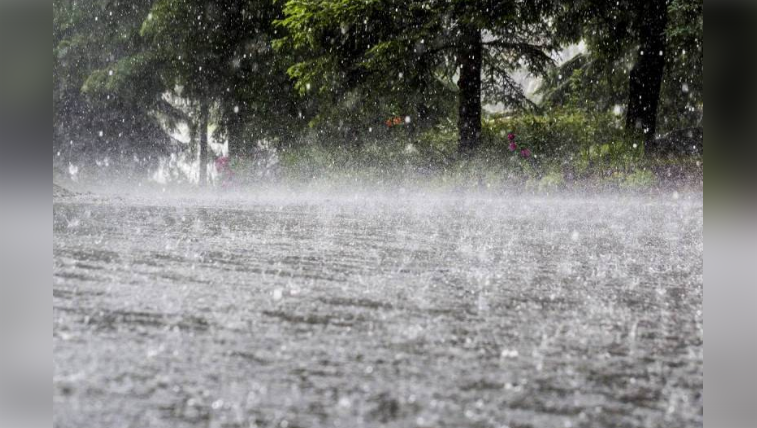
Islamabad (Web Desk): A fresh weather system is expected to bring widespread rainfall across various parts of Pakistan from August 5 to 10, prompting the National Disaster Management Authority (NDMA) to issue a detailed advisory through its National Emergencies Operation Center (NEOC).
This incoming westerly wave is forecast to result in significant hydrological challenges, including river surges, flash flooding, and potential urban inundation, particularly in the upper and central regions of the country.
According to the advisory, all major rivers are anticipated to experience rising water levels, with heightened risk along the Chenab and Jhelum rivers.
Moderate to high flood stages are projected at River Chenab points such as Marala, Khanki, and Qadirabad. River Jhelum and its upstream tributaries feeding into the Mangla reservoir are also likely to swell to concerning levels. River Kabul at Nowshera may see low-level flooding, while the Swat and Panjkora rivers, along with nearby streams and nullahs, are expected to exhibit moderate flows due to continuous rain over their catchment areas.
Tarbela, Kalabagh, Chashma, Taunsa, and Guddu barrages are currently witnessing low flood conditions, but rising inflows may elevate them to medium-level alerts. Meanwhile, in Gilgit-Baltistan, increased discharges are forecast in the Hunza and Shigar rivers. Flash floods could also occur in smaller rivers and streams including the Hispar, Khunjerab, Shimshal, Braldu, Hushe, and Saltoro.
In Balochistan, rainfall is likely to increase water levels in the stream networks flowing through Musakhel, Sherani, Zhob, and Sibi.
Tarbela Dam has reached about 90% of its total storage capacity, and Mangla Dam is currently at 60%, with inflows likely to push levels even higher in the coming days.
The NDMA has urged communities living near rivers, nullahs, and vulnerable low-lying zones to remain cautious, especially during night hours and intense downpours. Residents are advised to monitor official weather and flood updates via TV, radio, SMS alerts, and the “Pak NDMA Disaster Alert” mobile application. People are encouraged to prepare emergency kits containing non-
The National Disaster Management Authority (NDMA) has issued a comprehensive advisory through its National Emergencies Operation Center (NEOC), warning of possible flooding and hydrological hazards across multiple regions of Pakistan as a fresh westerly wave enters from August 5, bringing intensified rainfall to upper and central regions through August 10.
The anticipated weather system may lead to rising river flows, urban flooding, and localized flash floods in vulnerable areas.
As a result, increased flows are expected in all major rivers, particularly the Jhelum and Chenab.
River Chenab at Marala, Khanki, and Qadirabad is likely to experience medium to high flood levels, while River Jhelum and its tributaries upstream of Mangla may also reach high flood levels. River Kabul at Nowshera is expected to attain low flood levels. River Swat and Panjkora, along with associated streams and nullahs, may swell to medium flows due to persistent rainfall in their catchment areas.
Currently, Tarbela, Kalabagh, Chashma, Taunsa, and Guddu Barrages are at low flood levels, but further increases in inflows and outflows may raise them to medium flood stages.
In Gilgit-Baltistan, River Hunza and River Shigar are expected to see increased flows, with potential localized flash floods in their tributaries including Hispar, Khunjerab, Shimshal, Braldu, Hushe, and Saltoro Rivers. In Balochistan, stream networks in Musakhel, Sherani, Zhob, and Sibi districts are also likely to swell due to expected rainfall.
Tarbela Dam is currently at 90% storage capacity, while Mangla Dam stands at 60%, with further increase in storage anticipated over the coming days.
NDMA urged residents living near rivers, streams, and nullahs to stay vigilant for sudden rises in water levels, especially at night and during periods of intense rainfall. The public is advised to stay updated through official flood warnings via television, radio, mobile alerts and Pak NDMA Disaster Alert app.
Communities in vulnerable areas should identify safe evacuation routes and keep emergency kits, dry food, clean drinking water, and essential medicines ready. Livestock, vehicles, and valuables should be moved to safer elevated locations.
Urban centers, particularly in northeastern and central Punjab, should ensure dewatering equipment is in place to address water accumulation due to heavy rainfall.
The public is strongly advised to avoid crossing low bridges, causeways, and flooded roads, as even 6 inches of fast-moving water can knock over an adult, and 12 inches is enough to carry away most vehicles.
NDMA is closely monitoring the evolving situation through NEOC and remains in constant coordination with provincial and district disaster management authorities to ensure a timely and coordinated response.
Citizens are encouraged to stay updated through official channels and use “Pak NDMA Disaster Alert” mobile application for real-time alerts and guidelines.
Neo News | Copyright © 2026