Wed, September 16, 2026

Islamabad (Web Desk): Pakistan has secured $3 billion through a dual-tranche Eurobond sale, with investor demand reaching nearly $6 billion, according to the Ministry of Finance on Thursday.
The government raised $1.75 billion through a 5.5-year bond carrying a 7.5% coupon, while another $1.25 billion was obtained through a 10-year bond with a coupon rate of 7.9%, the ministry said.
“Pakistan has successfully issued US$3 billion through a landmark dual-tranche Eurobond transaction, the largest-ever international bond issuance by Pakistan in a single transaction,” said the ministry.
“The transaction attracted nearly $6 billion in orders — almost twice the amount issued — from a broad and diversified base of institutional investors across global markets and continents,” it added.
???????????? ???????????? ????????????????????????????, ???????????????????????????????????????????? ???????? ???????????????????????????????????????????????? ????????, ???????? ????????????????, ???????????? ???????????????????????? ????????????????????????, ????????????????????????????????????, ???????????????????????? ???????? ????????????????????.
— Ministry of Finance, Government of Pakistan (@Financegovpk) September 2, 2026
???????????????????????????????? ???????????????????????? ???????????????????????? ????????$???? ???????????????????????????? — ????????????????????????…
According to the Finance Ministry, the strong response represents a significant step forward in Pakistan’s renewed engagement with international financial markets. It said the transaction reflected growing investor confidence and demonstrated the country’s capacity to secure substantial financing from global markets.
The ministry described the development as another important step in Pakistan’s wider strategy to regain and strengthen its position in international capital markets.
“Following the successful inaugural Panda Bond and improvements in Pakistan’s sovereign credit profile, this is the first issuance under Pakistan’s renewed strategic Global Medium-Term Note (GMTN) Programme — creating a platform for diversified access to international capital markets.
“The objective is not simply to raise additional debt. Pakistan is pursuing a broader strategy of active sovereign liability management — diversifying financing sources, extending maturities, reducing refinancing and rollover risks, and creating opportunities to replace shorter-term and more expensive obligations with longer-duration, competitively priced financing, where economically beneficial,” the ministry said.
The Finance Ministry also praised the Debt Management Office for its role in completing the bond transaction.
“The Ministry of Finance, Government of Pakistan, highly appreciates the excellent work of the Joint Bookrunners — Citi, Deutsche Bank, Emirates NBD, MUFG and Standard Chartered — in successfully managing and executing this landmark transaction.”
The ministry noted that Pakistan’s economic recovery and improvement over the last three years had been reflected in a series of sovereign credit-rating upgrades, alongside the country’s renewed ability to tap international financial markets.
“Now global investors have reinforced that assessment with billions of dollars of actual capital,” it said.
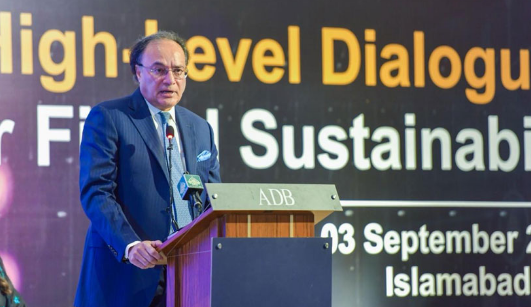
Meanwhile, Finance Minister Muhammad Aurangzeb also confirmed on Thursday that Pakistan had successfully floated the $3 billion bond, describing the dual-tranche Eurobond as the largest-ever single bond transaction in the country’s history, Radio Pakistan reported.
— Radio Pakistan (@RadioPakistan) September 3, 2026
Aurangzeb made the remarks while addressing a High-Level International Dialogue on Taxation for Fiscal Sustainability in Pakistan in Islamabad. The event was organised by the Asian Development Bank (ADB).
The minister said the successful bond issuance was a reflection of the positive assessment Pakistan had received from international credit-rating agencies.
He pointed out that Pakistan had received three sovereign credit-rating upgrades since April last year.
Aurangzeb further said investors from a wide range of regions had participated in the transaction, including Asia, the Middle East, Europe and the United States.
The finance minister said that such broad-based participation was evidence of growing international confidence in Pakistan’s economic outlook.
He added that the government was exploring additional financing avenues, including Sukuks, rupee-denominated dollar-settled bonds and Panda Bonds.
These financing instruments, he explained, were intended to help the country retire costly short-term debt while easing the risks associated with frequent debt refinancing.
Aurangzeb also highlighted improvements in the country’s fiscal position, saying that fiscal discipline had reached a sustainable level.
He noted that the fiscal deficit had fallen to its lowest point in 22 years, while Pakistan had achieved primary surpluses for three successive years.
The finance minister reiterated the government’s commitment to carrying out structural changes aimed at preventing Pakistan from slipping back into the economic boom-and-bust pattern witnessed in previous years.
He also said that the tax-to-GDP ratio had risen from 8.1% to 10.3%, while acknowledging that further improvements were still necessary.
Earlier, Federal Board of Revenue (FBR) Chairman Rashid Mahmood Langrial said the tax authority had introduced major reforms during the past two and a half years that could significantly transform its operations.
Langrial said the FBR had also opened its reform process to expertise from the private sector and engaged third-party auditors as part of its efforts to improve the tax system.
He further announced that the FBR was preparing to introduce IRIS 3.0, with most of the design work for the new system already completed.
Neo News | Copyright © 2026