Thu, September 17, 2026

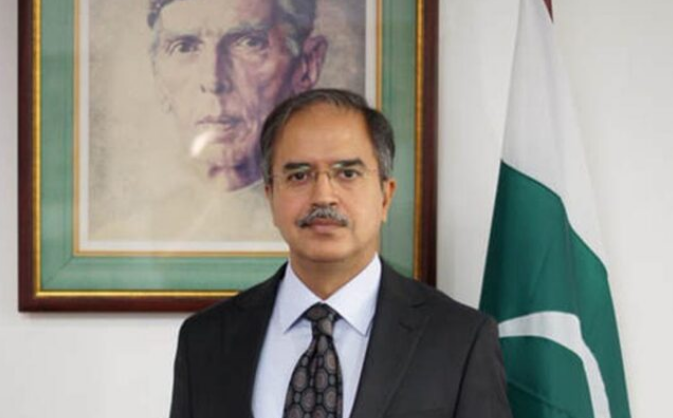
New York (Web Desk): Pakistan has highlighted the value of empathy-centered welfare systems and collective social responsibility while applauding Türkiye’s historic care institution, Darülaceze, during discussions at the UN.
Addressing a side event held alongside the 64th session of the UN Commission for Social Development in New York, Pakistan’s Permanent Representative to the UN, Ambassador Asim Iftikhar Ahmad, spoke warmly of Darülaceze in Istanbul as a lasting example of community-rooted care.
Founded in 1895, the institution was described as living proof that durable long-term care systems flourish when state support works hand in hand with charitable giving, volunteer service, and strong public participation.
The session was jointly arranged by Türkiye, Pakistan, Qatar, and Azerbaijan and centered on the theme of building inclusive long-term care frameworks grounded in social solidarity. Under the title highlighting Türkiye’s 130-year legacy of compassion through Darülaceze, the event explored practical models that translate trust and empathy into structured social support.
Ambassador Ahmad noted that the philosophy behind Darülaceze mirrors Pakistan’s own ethical and cultural traditions, where caring for vulnerable groups is seen not only as policy but as a shared moral duty woven into society.
He drew attention to Pakistan’s Benazir Income Support Programme (BISP), describing it as a cornerstone of the country’s social safety net.
Supported by federal funding, the initiative provides carefully targeted financial assistance to millions of low-income households, especially families led by women.
He explained that the program plays a vital role in reducing hardship, strengthening household incomes, and encouraging broader social inclusion, adding that it represents a deliberate state commitment to protect disadvantaged citizens with dignity and respect for their rights.
The ambassador also spoke about the longstanding work of Pakistan Bait-ul-Mal, which assists elderly citizens, women in need, people with disabilities, orphans, and individuals lacking family care.
He said the organization offers a range of services including shelter homes, medical support, rehabilitation programs, and skills training.
These efforts are sustained through a mixed funding approach that combines government resources with zakat contributions, charitable endowments, and voluntary donations.
Pointing to Pakistan’s deep culture of philanthropy and volunteer service, Ambassador Ahmad mentioned the Edhi Foundation as an internationally recognized symbol of humanitarian dedication.
Relying largely on public donations and volunteer efforts, the foundation operates shelters, ambulance services, homes for the elderly, and emergency relief networks, standing as a clear example of society-driven welfare.
He further acknowledged the growing involvement of charitable trusts, faith-based groups, and corporate social responsibility initiatives from the private sector in strengthening long-term care and community-based social services throughout Pakistan.
Wrapping up his remarks, the ambassador urged the global community to give stronger backing to care models built on solidarity, suggesting they should move beyond isolated success stories to become part of wider international policy thinking.
He called on the UN and global financial institutions to help document, fund, and expand such approaches as key building blocks for inclusive social development around the world.
Neo News | Copyright © 2026