Thu, September 17, 2026

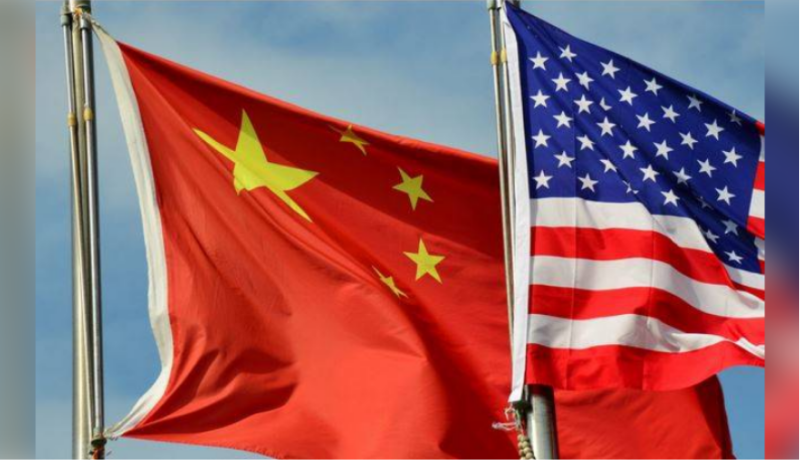
Beijing (Web Desk): China said on Friday that it is reviewing a US offer to enter negotiations over tariffs, but made it clear that any dialogue would require Washington to first roll back the duties that have rattled global markets and disrupted supply chains.
The trade tension has intensified, with US tariffs on Chinese goods climbing to as high as 145% in April, prompting China to counter with its own set of tariffs reaching 125% on American imports.
Some products, particularly high-end tech items such as smartphones, semiconductors, and computers, have been temporarily spared from US tariffs, indicating some flexibility.
Meanwhile, US President Donald Trump has insisted that Beijing is seeking talks and recently expressed optimism about a potential deal, saying, “very good chance we’re going to make a deal.”
However, Beijing offered a different account of the situation. According to its commerce ministry, it was the US that made the overture and that China is “currently evaluating” the offer.
Officials stressed that talks are unlikely to begin unless the US demonstrates goodwill. “If the US wants to talk, it should show its sincerity to do so, be prepared to correct its wrong practices and cancel unilateral tariffs,” the ministry said.
They further warned that, “In any possible dialogue or talks, if the US side does not correct its wrong unilateral tariff measures, it just means the US side is completely insincere and will further damage the mutual trust between the two sides.” Criticizing U.S. tactics, the ministry added, “Saying one thing and doing another, or even attempting coercion and blackmail under the guise of talks will not work.”
Wu Xinbo, director of the Center for American Studies at Fudan University in Shanghai, noted that China is likely to stay firm in its approach.
“Of course the US hopes to start negotiations as soon as possible, but our attitude is: ‘you must first take some action to show sincerity’,” he said. Wu also noted that only after the US removes tariffs will China be willing to address broader issues like trade imbalances or technological restrictions. “We can discuss our legitimate concerns,” he said, including complaints from both sides.
A 90-day deadline looms for dozens of countries to finalize trade terms with Washington or face even higher country-specific tariff rates. In contrast, Beijing has pledged to endure a drawn-out trade conflict if necessary. A video released this week by China’s foreign ministry reinforced that message, declaring the country would “never kneel down!”
Reaffirming its position, China’s commerce ministry stated, “China’s position has always been perfectly consistent.” It emphasized, “If it’s fight, we will fight to the end; if it’s talk, the door is wide open. The tariff war and trade war were unilaterally initiated by the US side.”
The strain of the trade war is beginning to show on both sides. Chinese officials have admitted that export-dependent businesses are facing increasing difficulties. Data released this week showed that factory output in China shrank in April, which Beijing blamed on a “sharp shift” in global economic conditions.
At the same time, the US economy contracted unexpectedly in the first quarter, a slump that analysts say was partly driven by companies rushing to import goods ahead of the new tariffs.
On Friday, Washington also revoked a key exemption that had allowed goods worth under $800 to be imported from China without tariffs—a move expected to impact consumer buying behavior in the US.
Ja-Ian Chong of the National University of Singapore said it remains uncertain whether either side is ready to make concessions, despite increasing economic pressure. “Neither side wishes to look weak,” he said.
Stephen Innes, analyst at SPI Asset Management, described Beijing’s latest comments as a cautious opening. “On paper, both capitals are waving detente flags,” he wrote.
“But dig a layer deeper, and the path is still littered with landmines.” He added, “China’s pledge to fight ‘to the end’ wasn’t retired — just shoved behind softer soundbites — and the ‘cancel duties first’ stick remains a non-starter for the White House.”
Neo News | Copyright © 2026