Thu, September 17, 2026

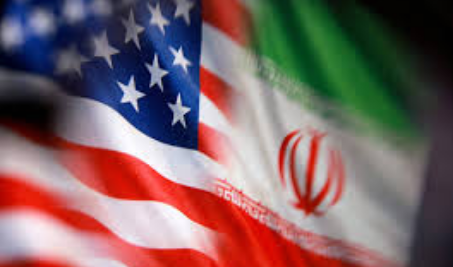
Dubai (Web Desk): Iran is currently considering a US-backed proposal aimed at pausing the ongoing conflict, as the fighting remains stuck in a prolonged deadlock, according to Iranian media reports on Tuesday.
The update follows remarks from former US President Donald Trump, who said negotiations with Tehran were still active and a potential agreement could be reached soon.
The confrontation, which escalated after joint US and Israeli strikes more than three months ago, has largely settled into an uneasy stalemate. Attempts to secure a short-term arrangement have so far failed to produce a breakthrough, while tensions have disrupted shipping through the Strait of Hormuz, a critical artery for global energy supplies.
Citing a source, Mehr News Agency reported that Iran has not yet submitted an official response to the latest draft of a temporary accord. The source added that Tehran is approaching the matter cautiously and firmly, driven by distrust rooted in previous US actions and what it views as a record of non-compliance.
Trump stated on Monday that talks with Iran were still ongoing and indicated that a deal could be finalised within days, which would extend a ceasefire first put in place in April and allow the reopening of the Strait of Hormuz. Despite these claims, a comprehensive agreement has remained elusive, particularly on contentious issues such as Iran’s nuclear programme.
While the ceasefire that began in early April has mostly held, there have still been intermittent exchanges of strikes between the two sides in recent days. This uncertainty has continued to affect global energy markets, with oil prices dropping by more than one percent on Tuesday after a sharp increase the day before. Energy analysts have also cautioned that worldwide oil reserves could fall to dangerously low levels if disruptions continue.
The wider conflict, which began in late February, has reportedly resulted in significant casualties and deepened instability across the region, especially in Iran and Lebanon. It has also contributed to rising global energy costs due to interruptions in the Strait of Hormuz, through which a large portion of the world’s oil and gas shipments normally pass.
The tensions have further spilled into Lebanon, where Israeli forces have continued strikes on southern areas despite ongoing mediation efforts. A limited ceasefire announced recently is intended to restrict Israeli operations in Beirut and nearby regions while curbing attacks from Hezbollah, though conditions on the ground remain tense and uncertain, with many civilians still displaced and anxious.
Lebanon has said it intends to push for an expanded ceasefire during upcoming discussions in Washington, while Israeli Prime Minister Benjamin Netanyahu faces growing domestic political pressure over any agreement that could limit military action, especially ahead of elections expected later this year.
At the same time, Iran is reportedly advocating for a limited interim arrangement that would help ease economic strain while avoiding major concessions on its nuclear ambitions. Among its reported demands are relief from hostilities on multiple fronts, access to billions in oil revenues, easing of export restrictions, lifting of port blockades, and continued influence over the Strait of Hormuz.
Trump, meanwhile, is under pressure to stabilise fuel prices by reopening the strait, while also avoiding what critics would see as concessions to Tehran.
Iran’s Islamic Revolutionary Guard Corps (IRGC) said on Tuesday that 24 vessels had passed through the Strait of Hormuz in the previous 24 hours after receiving clearance from its naval forces, signalling continued oversight of the key waterway.
On Monday, Iran also warned it could extend its maritime restrictions to the Bab el-Mandeb Strait, another vital chokepoint at the entrance to the Red Sea, if Israeli strikes on Beirut resume.
Maritime risks were further highlighted after the world’s largest shipping operator MSC reported that one of its vessels was hit by two projectiles while docked at Iraq’s Umm Qasr port the previous day. Iran’s Revolutionary Guards claimed responsibility for the incident, saying it was carried out in response to a US strike on an Iranian vessel in the Gulf of Oman.
Neo News | Copyright © 2026