Thu, September 17, 2026

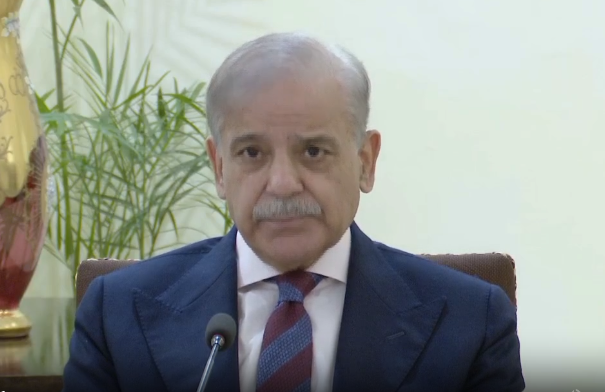
Islamabad (Web Desk): Prime Minister Shehbaz Sharif has expressed appreciation for the recent simplification of tax return procedures and their translation into Urdu, emphasizing the importance of facilitating the general public in fulfilling their tax obligations.
While presiding over a meeting in Islamabad on Monday to assess the ongoing reforms within the Federal Board of Revenue (FBR), he directed the establishment of a dedicated helpline to guide individuals through the filing process.
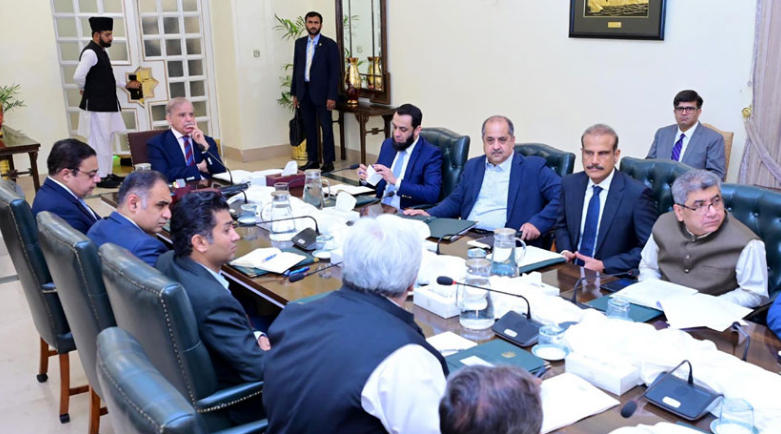
PM Shehbaz further instructed that digital invoicing be introduced in the Urdu language, underscoring that tax reforms should be citizen-centric and focused on ease of compliance.
The prime minister highlighted the importance of incorporating third-party validation mechanisms to enhance transparency in all reform initiatives undertaken by the FBR.
It was noted that the new digital tax returns have been significantly streamlined and are now integrated with a centralized database, making the process more efficient and accessible.
The reforms are particularly beneficial for the salaried class, who stands to gain the most from the new format.
PM Shehbaz urged that a comprehensive public information campaign be launched to raise awareness and encourage more citizens to submit their tax returns under the revamped system.
He acknowledged the diligent efforts of the finance minister, the economic team, the FBR Chairman, and their respective staff members in driving forward these reforms.
The premier reiterated that expanding the tax net while alleviating the financial burden on the underprivileged remains a central objective of the government’s fiscal policy.
He also praised the introduction of an AI-powered tax assessment mechanism, describing it as a milestone achievement for Pakistan, marking the first time such a system has been implemented in the country.
The FBR’s work in this area was commended for bringing innovation and efficiency to tax administration. Special attention was given to ensuring that small and medium enterprises are adequately supported in adopting the new digital invoicing system.
During the briefing, officials provided updates on the progress of digital invoicing, the e-Bilty initiative, simplified tax filings, the AI-based assessment framework, the establishment of a centralized Command and Control Center, and a comprehensive cargo tracking system.
It was revealed that the Command and Control Unit of the FBR is expected to become fully functional by September this year. Once operational, it will allow real-time access to centralized data and facilitate more effective and timely decision-making.
The meeting was also briefed on the operational details of the AI-driven assessment system. Traders will now have the facility to submit advance goods declarations before the arrival of shipping vessels, exempting them from paying duties and taxes upfront. This reform is anticipated to raise the rate of advance declarations from the current three percent to over 95%, enabling containers to be transported directly from ports to manufacturing facilities.
With respect to the digital invoicing platform, it was disclosed that businesses, regardless of size, will be required to generate receipts through the FBR’s online interface at the point of sale and purchase. Around 20,000 businesses are projected to be brought into the system in the near future.
In just one month, approximately 8,000 invoices valued at Rs11.6 billion have been issued via the platform. The system is supported by a taxpayer portal and a real-time monitoring dashboard.
Integration with Pakistan Revenue Automation Ltd. (PRAL) is being offered free of charge, and business owners are receiving ongoing training to adapt to the new system.
Once fully implemented, the need for filing separate sales tax returns will be eliminated, as transactions will be automatically recorded in the system.
The reform is also expected to curtail the practice of generating fake or flying invoices by aligning transactions with internationally standardized 8-digit Harmonized System (HS) codes, thereby enhancing the integrity and evaluation of the sales tax framework.
Training programs have already been conducted to prepare the business community for the system’s full deployment.
Additionally, it was confirmed that simplified digital tax return forms for salaried individuals would be available starting Tuesday, with other taxpayer categories gaining access by the end of the month.
Regarding the cargo tracking and e-Bilty systems, officials explained that they will enable real-time monitoring of goods in transit, linking this data to tax payment verification. The integration of AI will further strengthen tax enforcement efforts.
It was further informed that in support of these initiatives, the government of Turkiye is actively assisting Pakistan in implementing these systems in accordance with global standards.
Neo News | Copyright © 2026