Thu, September 17, 2026

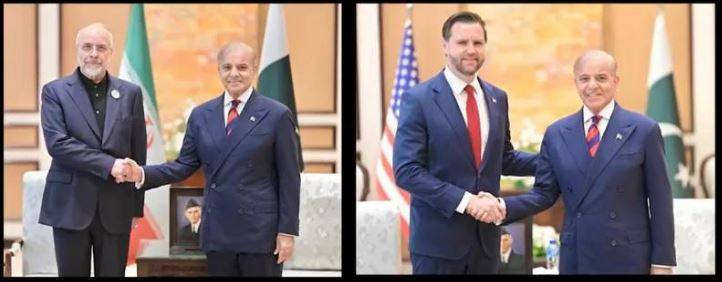
Islamabad (Web Desk): In its recent report, the international magazine Asia Times has described Pakistan as an emerging “middle power” in global politics, stating that Islamabad has established its significance worldwide through balanced diplomacy.
According to the report, Pakistan is no longer merely a regional country but has evolved into a state with growing global influence. Its “multi-alignment” policy is being seen as a major diplomatic success, as Pakistan has skillfully strengthened its relations simultaneously with China, the United States, and Gulf countries—reflecting the maturity of its foreign policy.
The magazine further noted that Pakistan is now playing the role of a “bridge” between global powers, making it an indispensable state in maintaining the balance of power in South Asia. Its strategic geographical location also makes it an important partner for major world powers.
Pakistan is not only significant for regional peace but also has the capacity to act as a mediator in global conflicts, with its importance increasing in the evolving global order.
However, the report also highlighted several major challenges facing Pakistan’s rise on the global stage. Experts pointed out that economic instability remains the biggest obstacle to Pakistan’s emergence as a middle power.
Additionally, the situation in Afghanistan and related security concerns could divert Pakistan’s focus.
Analysts believe that if Pakistan manages to overcome these internal and external challenges, it could firmly establish itself as a key pillar in future global politics
Neo News | Copyright © 2026